
Fire Alarm Systems

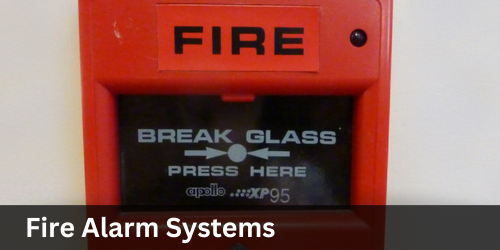
Ensuring the safety and reliability of fire alarm systems involves several key strategies to protect lives and property. Our approach includes the installation of advanced fire detection technologies such as smoke, heat, and carbon monoxide detectors, strategically placed throughout the building to provide comprehensive coverage. Routine maintenance of fire alarm systems includes testing all detectors, control panels, and alarm devices to ensure they are functioning correctly. This helps to identify and rectify any issues before they become serious problems. Regular maintenance also includes cleaning detectors to prevent false alarms and ensuring that all system components meet current safety standards.
Fire Door Inspection and Test Process

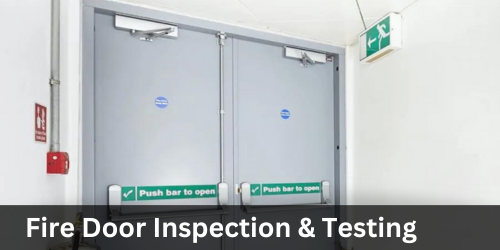
The fire door inspection and test process involves a thorough review of the door’s condition and functionality to ensure it meets safety standards. The process begins with a review of the manufacturer’s instructions, fire door certification, and previous inspection records. Inspectors then conduct a visual examination, checking for the presence of certification labels, and assessing the door and frame for any damage, warping, or decay. Hinges are inspected to ensure they are securely attached and in good condition, while seals and gaskets are checked for integrity. The door’s closing mechanism is tested to confirm it closes fully and automatically without any obstruction.

Emergency Lighting

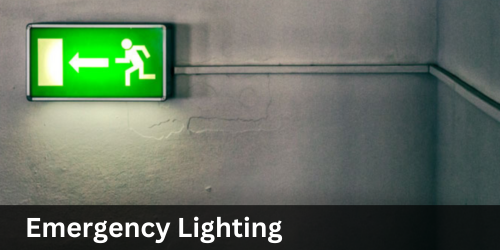
Emergency lighting is essential for ensuring the safety of building occupants during power outages or emergencies. Emergency lights and exit signs should be placed so as to illuminate escape routes, stairwells, and critical areas. Regular testing and maintenance are crucial to ensure that all emergency lighting functions correctly during an outage. This includes checking batteries, bulbs, and control equipment. Upgrading to energy-efficient LED emergency lighting can enhance reliability and reduce maintenance costs. We recommend conducting regular inspections and tests, as required by safety regulations, to verify the operational readiness of emergency lighting systems

Fire Extinguishers

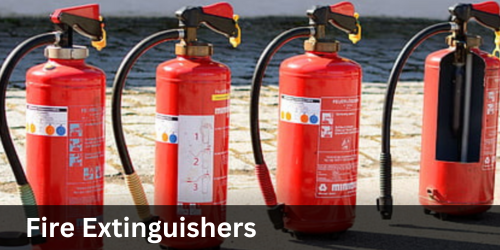
Fire extinguishers are essential safety devices designed to combat small fires before they escalate. They come in various types, each suited to different classes of fires, such as Class A for ordinary combustibles, Class B for flammable liquids, Class C for electrical fires, and Class D for metal fires. Regular maintenance and inspection are critical to ensure that fire extinguishers are fully operational in an emergency. This includes checking the pressure gauge to ensure it’s in the operable range, confirming the tamper seal is intact, inspecting for any physical damage, and ensuring that the extinguisher is easily accessible and clearly labeled.

Why choose Ideal?

Fully Accredited

Fully Accredited

A fully certified provider to provide clients with the peace of mind they deserve when looking to us for a solution.

Health

Peace of mind

Our expertise and experience give you the sense of security that your facility will be kept safe.

Quality Services

Quality Service

Your satisfaction is our main goal. With regular audits, continuous training and expert equipment we can ensure we provide this to the highest quality.

Get In Touch

"*" indicates required fields

This field is for validation purposes and should be left unchanged.

FAQs

Fire safety equipment should be inspected regularly, typically every 6 to 12 months, depending on the type of equipment and local regulations. This includes:

  • Fire alarms: Test functionality and ensure they are properly connected to monitoring systems.
  • Fire extinguishers: Check pressure levels, expiration dates, and signs of damage.
  • Sprinkler systems: Inspect and test the sprinkler heads and water pressure.
  • Fire exits and lighting: Ensure emergency exits are clear and that lighting is functioning.
  • Fire suppression systems: Ensure maintenance of gas, foam, or other suppression systems.

If a fire breaks out:

  1. Sound the alarm: Activate the fire alarm system to alert others in the building.
  2. Evacuate safely: Use designated fire exits and follow evacuation procedures to exit the building quickly and safely.
  3. Use fire extinguishers if safe: If the fire is small and manageable, use a fire extinguisher to try and put it out, but only if it is safe to do so.
  4. Do not use elevators: Always use stairs, as elevators may become inoperable or expose you to greater danger during a fire.
  5. Call emergency services: Contact the fire department or emergency services to report the fire.
  6. Stay low: In the event of smoke, crouch down to stay below the smoke level while evacuating.
  7. Do not re-enter: Do not go back into the building until emergency responders declare it safe.

Accreditations

Find Out More