

Electrical Maintenance 

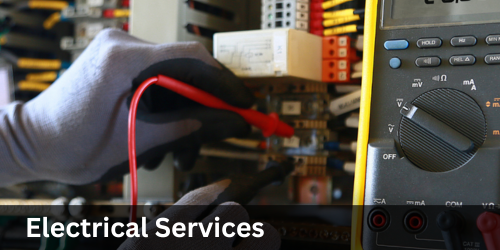
Regular inspections are crucial to identify potential hazards and ensure compliance with safety regulations. Professional inspections should be conducted by qualified electricians who can check for wiring issues, proper grounding, and the integrity of electrical components. Routine maintenance of electrical systems includes cleaning and tightening connections, testing circuit breakers and protective devices, and ensuring that all components function correctly. This helps to prevent malfunctions and prolong the lifespan of the equipment. Scheduled maintenance can also identify issues before they become serious problems, reducing the risk of electrical fires or outages. Prompt repairs are essential when any issues are identified during inspections or maintenance. Also, upgrading outdated systems to modern, energy-efficient components can improve safety and performance.
Why Choose Ideal

Fully Accredited

Fully Accredited

A fully certified provider to provide clients with the peace of mind they deserve when looking to us for a solution

Covers

It is inevitable that on occasions some staff will be unable to attend work. In such cases they are instructed to to advise their Area Manager by phone at the earliest opportunity, thus enabling cover to be arranged.

Health

Peace Of Mind

Our expertise and experience give you the sense of security that your facility will be kept safe.

Get In Touch

"*" indicates required fields

This field is for validation purposes and should be left unchanged.

FAQs

Electrical services are crucial because they ensure:

  • Safety: Properly installed and maintained electrical systems prevent accidents like electrical fires, shocks, or system failures.
  • Functionality: Electrical systems power lighting, HVAC systems, security systems, and equipment, ensuring smooth operations.
  • Energy efficiency: Well-maintained electrical systems improve energy use and reduce wastage, lowering operating costs.
  • Compliance: Electrical systems must comply with regulations and standards to ensure safety and legal compliance.

Key components include:

Wiring and Circuitry: Electrical wiring that connects all parts of the building to the power source.
Lighting systems: Includes both internal and external lighting, such as LED, emergency lighting, and security lighting.
Power distribution systems: The system of circuit breakers, fuses, and panels that safely distribute electrical power to different areas.
Sockets and outlets: Installation and maintenance of electrical outlets for appliances and equipment.
Safety systems: Includes emergency lighting, backup power generators, and uninterruptible power supplies (UPS) for critical systems.

Accreditations

Find Out More