
In healthcare environments, cleaning is about far more than appearances. It plays a vital role in infection prevention, patient safety and regulatory compliance. Unlike standard commercial cleaning, healthcare cleaning is governed by a formal national framework designed to ensure consistently high standards across all care settings.
If you are responsible for cleaning services within an NHS trust, GP practice, dental surgery, clinic or vaccination centre, understanding these standards is essential. Here’s a straightforward guide to how healthcare cleanliness is measured today and what to look for when choosing a specialist cleaning provider.
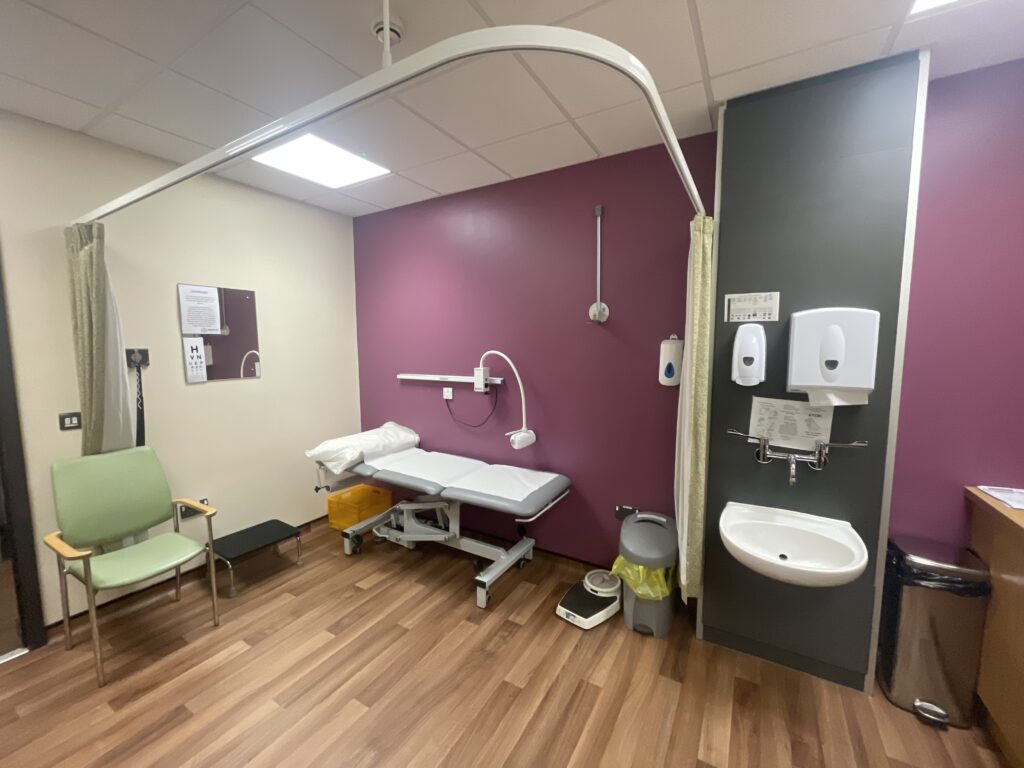
Understanding the National Standards of Healthcare Cleanliness
NHS England introduced the National Standards of Healthcare Cleanliness in 2021, with updated guidance published in 2025. These standards apply across a wide range of healthcare environments, not just hospitals, and are designed to ensure cleanliness is planned, delivered and monitored consistently.
The framework moves beyond the simple question of “Does it look clean?” and instead asks, “Can you demonstrate that it is clean and provide evidence to support it?”
For cleaning providers, this means having a thorough understanding of the standards and the ability to implement them effectively on a day-to-day basis.
Functional Risk Categories
Every cleanable area within a healthcare facility is assigned a Functional Risk (FR) category. This classification is the foundation of the standards, as it determines:
- How frequently an area must be cleaned
- How often audits are carried out
- The cleanliness targets that must be achieved
For example, a treatment room where invasive procedures take place is classified as a higher-risk area and requires more frequent cleaning and stricter auditing than an administrative office.
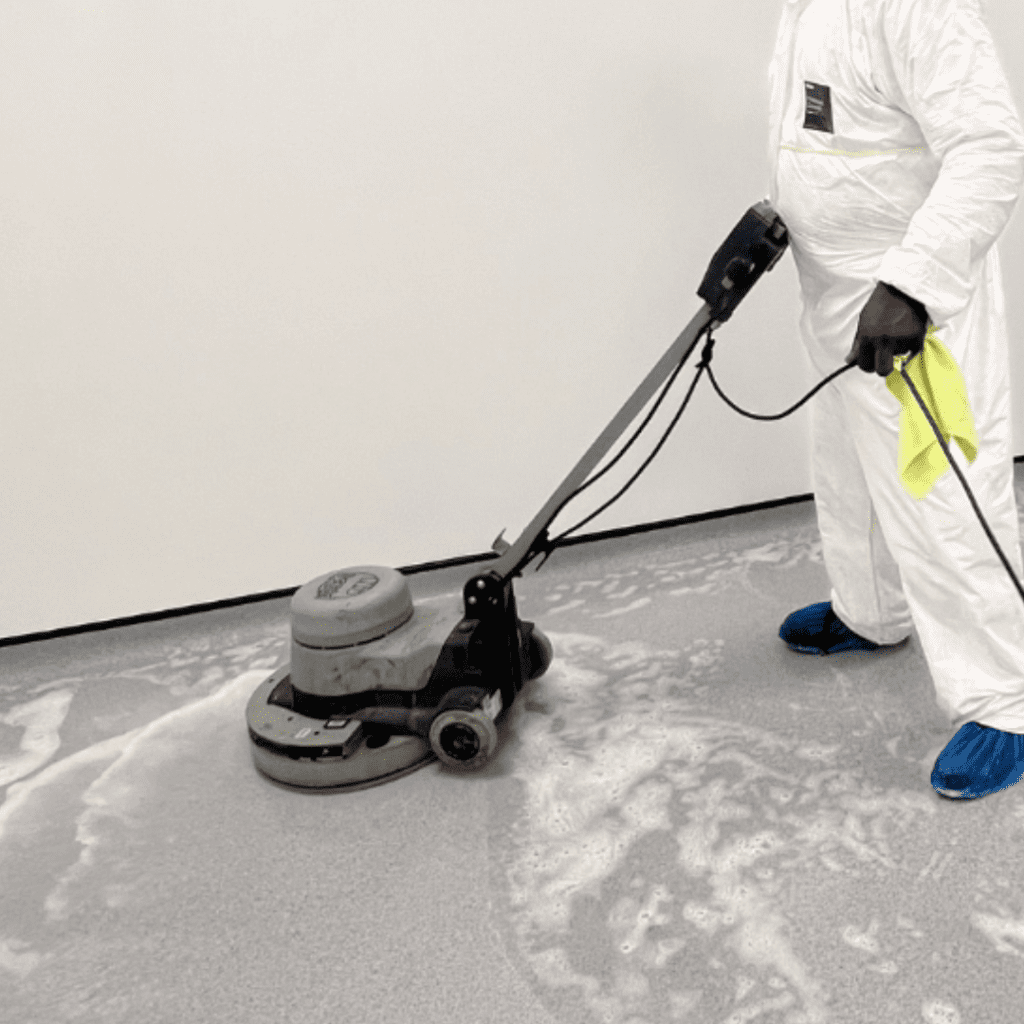
The standards also allow for blended risk categories where appropriate, providing flexibility while maintaining compliance.
Star Ratings and Audit Scores
Cleanliness performance is measured using both percentage audit scores and a star rating system for patient-facing areas.
These ratings are intended to be displayed publicly, allowing patients, visitors and staff to quickly understand the cleanliness performance of an area, regardless of which team is responsible for delivering the service.
Importantly, even high-scoring areas may still require corrective actions. The standards promote continuous improvement, meaning that any issue identified during an audit is addressed to maintain the highest possible level of cleanliness.
Efficacy Audits: Measuring More Than the Outcome
One of the most significant developments within the standards is the introduction of efficacy audits.
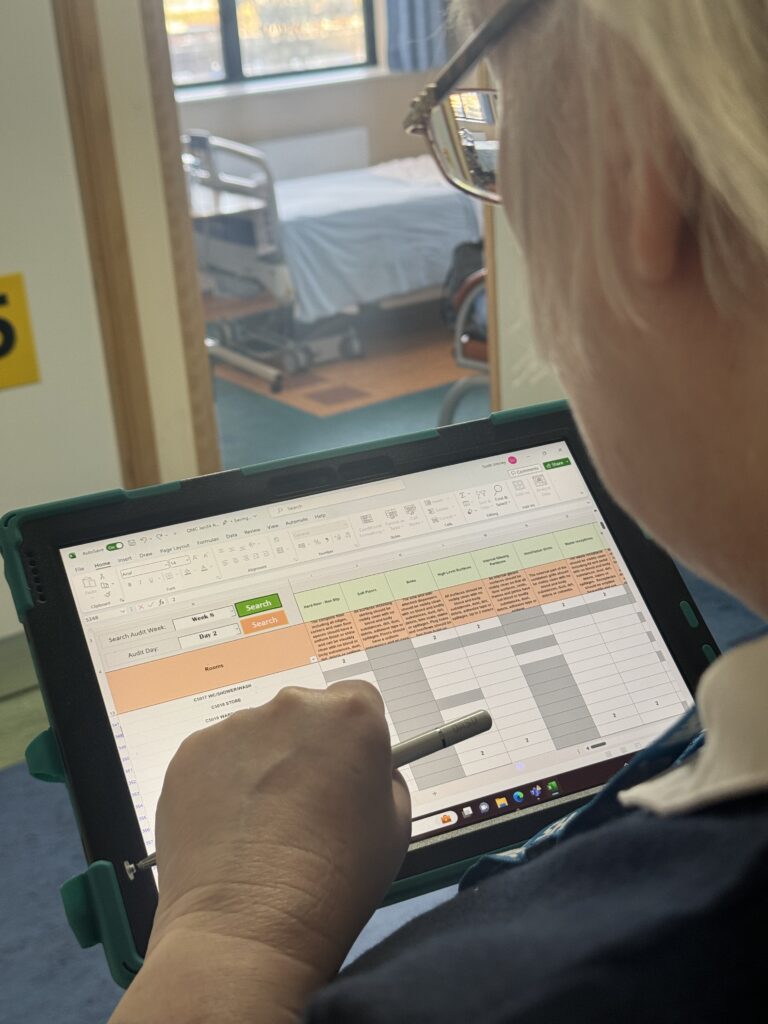
Rather than focusing solely on whether an area appears clean, efficacy audits assess how cleaning activities are carried out. This includes reviewing:
- Colour coding systems
- Equipment and materials used
- Cleaning methodologies
- Staff training and competencies
- Supporting policies and procedures
External audits may also be conducted to provide independent verification and quality assurance.
For organisations procuring healthcare cleaning services, this is a crucial consideration. A provider should be able to demonstrate robust cleaning processes and compliance, not simply deliver a visually clean environment.
The Commitment to Cleanliness Charter
The standards also introduced the Commitment to Cleanliness Charter.
This publicly displayed document outlines an organisation’s commitment to maintaining safe, hygienic environments. It details functional risk categories, cleaning frequencies and responsibilities for individual areas, helping to build confidence among patients, visitors and staff.
The Charter serves as a visible demonstration that cleanliness and infection prevention are taken seriously throughout the organisation.
Why Specialist Experience Matters
Meeting healthcare cleaning standards requires specialist knowledge, ongoing training and robust management processes. It is not an area where experience can be substituted with good intentions.
Successful delivery depends on:
- Trained healthcare cleaning operatives
- Experienced contract management teams
- Regular auditing and monitoring
- Clear reporting and compliance procedures
At Ideal Services Group, we have extensive experience delivering healthcare cleaning services. Since 2000, we have provided cleaning operatives and dedicated contract management support to Nottingham NHS Trust at the Queen’s Medical Centre. Our work includes specialist cleaning within theatres, clinics and consultation facilities, alongside managed domestic services within specialist units.
We also provide routine cleaning services to GP surgeries throughout the Midlands and support NHS trusts, sexual health clinics, dental practices and vaccination centres.
This experience enables us to help healthcare organisations:
- Assess and assign functional risk categories
- Establish clear cleaning responsibilities
- Implement appropriate cleaning frequencies
- Train staff in compliant cleaning methods
- Carry out the audits and inspections required under the national standards
Speak to a Specialist Healthcare Cleaning Team
If you are reviewing your healthcare cleaning arrangements or would like reassurance that your current provider is meeting the National Standards of Healthcare Cleanliness, our team would be happy to help.
Contact us today on 0115 913 2222 or complete our contact form to discuss your requirements.


