
Let’s talk AI… As AI is becoming more advanced every year, people quite often think “Will cleaners be replaced by machines and AI?” From robotic vacuums to floor scrubbing Ai, technology is clearly making its way into the cleaning industry.
But the answer is simple! Artificial intelligence WILL NOT REPLACE CLEANERS! While they are a useful piece of equipment to have, AI cannot match the skills, adaptability and the personal care that a human cleaner brings. Instead, AI will act as helpers, taking on simple tasks while people handle work that really matters?
Cleaning Is More Than Just Sweeping
At first glance, cleaning may seem like a basic task – dusting, vacuuming, mopping and then you’re done but in reality, professional cleaning is far more complex.
Check out our blog on (Commercial Cleaning)
A cleaner often faces challenges daily such as, stains on the carpet, delicate furniture to look after or even cleaning with products that are ecofriendly. These tasks require quick thinking and the ability to adapt.
AI on the other hand, are designed for routine jobs. They can vacuum the floors or scrub a flat surface but in reality, AI cannot handle special requirements. Human cleaners bring to the job daily judgement, flexibility and attention to details – qualities which AI don’t have.
The Human Connection
Cleaning isn’t only just about the final result and areas looking clean and tidy, it’s also about trust and building a relationship with customers. When customers hire cleaners, they expect respect, reliability and care.
Businesses want cleaning to be done professionally without disrupting staff or customers. A robot may move across the floor and may be able to virtually speak but can a robot build relationships, listen to feedback or make clients feel comfortable and valued? All these things are something that a machine can’t offer
A human cleaner’s relationship with a customer/client can grow stronger over time. Many families or companies stick with the same cleaners for years because they appreciate the consistency and personal connection. AI, no matter how advanced cannot offer loyalty friendliness or peace of mind.
What Can Ai Cleaning Robots Can Do
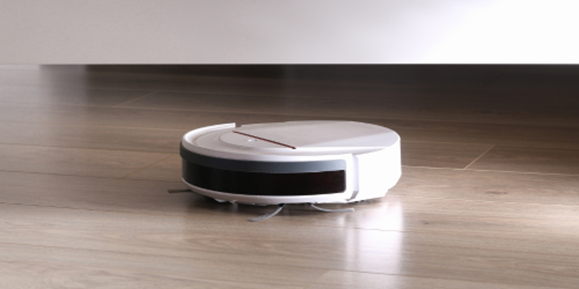
So, what are cleaning robots good for? Robots already have a role in cleaning. They can vacuum, mop and handle daily upkeep they can optimise cleaning routes to scrub large areas in airports, malls or warehouses.
These machines are efficient at doing tasks repeatedly, however their abilities are limited! They can not clean tight corners, disinfect regular touched areas. They require human supervision for maintenance, set up and problem solving.
Rather than replacing cleaners, AI robots are best used as support tools. They can take care of the routine jobs, freeing up cleaners to focus on more detailed, skilled and important work.
Safety and Responsibility
Cleaning isn’t just about the looks; it’s about health and safety. Professionals often use chemicals, handle waste, and work n sensitive areas such as healthcare, schools and food facilities.
In these types of settings strict safety standards are put in place to protect the cleaners. AI robots can help; however, they cannot take full responsibility. A machine may disinfect the floor, but it cannot ensure that the waste is disposed of correctly or that delicate equipment is cleaned and sanitised correctly.
Humans provide account ability and oversight, making sure task are done to the highest standard something AI can’t do.
Additionally, many cleaning environments involve hazards that require human judgement such as slippery floors, fragile materials or contaminated surfaces. A professional cleaner knows how to reduce risks, protect themselves and ensure others are safe. AI robots do not have this kind of awareness. Failing to do this could result in a termination of a contract due to health and safety
Residential Vs Commercial Cleaning
The difference between homes and workplaces cleaning is another reason why AI cannot take over.
Residential cleaning:
In homes, cleaning is personal. Families often want flexible schedules products that are not toxic, and some may ask for extra care in certain rooms. A cleaner can adapt correctly to these needs and can provide a personalised service. AI robots can only really handle floor cleaning
Workplaces and large facilities require bigger teams, strict routines and high safety standards. While AI robots can help with large floor areas humans are needed for sanitising, cleaning toilets and ensuring regulations are followed
In both scenarios AI can be useful, but cleaners remain essential.
The future: Human and AI Together:
The future of cleaning isn’t human vs AI, robot cleaners can help take on heavy repetitive task such as mopping and sweeping while the cleaner can focus on detail, safety and client care.
For example.
- Robot Vacuums can run daily while cleaners handle deep cleaning
- Floor scrubbing robots can cover large areas, while humans can tackle detailed work.
- AI can reduce physical strain, making cleaning jobs safer and more efficient
AI robots can be a benefit due to them being fast and them being able to perform the same task repetitively without losing consistency. Unlike humans who naturally tire robots can maintain the same level of performance every single time.
For example, in airports floor scrubbing robots can continuously clean vast terminals throughout the day while cleaning staff can concentrate on toilets, security trays and high contact surfaces where hygiene matters the most.
By working together, cleaners can achieve higher standards with less physical strain, create safer working environments and deliver better outcomes for clients. It’s not about replacing humans but empowering them with smarter tools so that cleaning becomes more efficient, sustainable and professional.
How AI Can Help Cleaners?
AI robots can assist, but they cannot replace the human side of cleaning. People don’t just want a tidy space – they want to know it’s been cared for properly.
Cleaners provide:
Judgment – They know the correct method of cleaning for each task
Adaptability – Adjusting to unique situations.
Trust – They can build a good relationship with the client that could become long term
Responsibility – Taking ownership of results
AI cannot deliver these qualities. They may polish and scrub the floor, but they cannot provide peace of mind for the customer and client.
And there’s another factor: cleaning often has an emotional impact. Walking into a freshly cleaned home or office can change the way people feel. That level of care come from humans who take pride in their work, not from machines that simply follow instructions
Final thoughts:
So, will cleaners be replaced by AI? The answer is simple! AI WILL NOT REPLACE CLEANERS! While they are a useful piece of equipment to have, AI cannot match the skills, adaptability and the personal care that a human cleaner brings. Instead, AI will act as helpers, taking on simple tasks while people handle work that really matters?
Human Cleaners are irreplaceable because they bring skill adaptability and trust to every job. AI may help with routine tasks, but people will always be needed to make spaces truly clean safe and welcoming.
Looking ahead, the future might hold more advanced AI robotics, smarter cleaning systems and AI tools that can predict cleaning needs. Technology may continue to grow, but it will always be designed to work alongside people, NOT take their place.
The future of cleaning is clear: ARTIFICAL INTELLIGENCE WILL SUPPORT CLEANERS, NOT REPLACE THEM!


